

How do microplastics get in water?
Quick answer: Microplastics enter water through the breakdown of larger plastic waste, the shedding of synthetic textile fibres during washing, industrial and agricultural runoff, and the gradual degradation of plastic pipes and packaging. Once in the environment, they move through soil, rivers, and rainfall into both surface water and treated tap water supplies.
Why microplastics in water are worth understanding
Microplastics are tiny plastic particles, generally defined as fragments smaller than five millimetres. They have been detected in rivers, groundwater, bottled water, and treated tap water around the world. Research into their presence in drinking water is still developing. As WHO noted in 2019, drinking water studies on microplastics only began in 2018, with just nine studies assessed at that point. Understanding how microplastics enter water in the first place is the foundation for making sense of what is being found and why.
The main pathways: how microplastics get into water
Microplastics reach water through several distinct routes. Some originate as large plastic items that fragment over time; others start out microscopic. The pathways below cover the most significant sources identified in current research.
Breakdown of larger plastic waste
Plastic bottles, bags, packaging, and other single-use items that end up in waterways or on land do not disappear. Sunlight, heat, and physical abrasion break them into progressively smaller fragments. These secondary microplastics wash into streams, rivers, and coastal waters through rainfall and stormwater runoff. Once suspended in water, they are difficult to capture through standard treatment processes.
Synthetic textile fibres
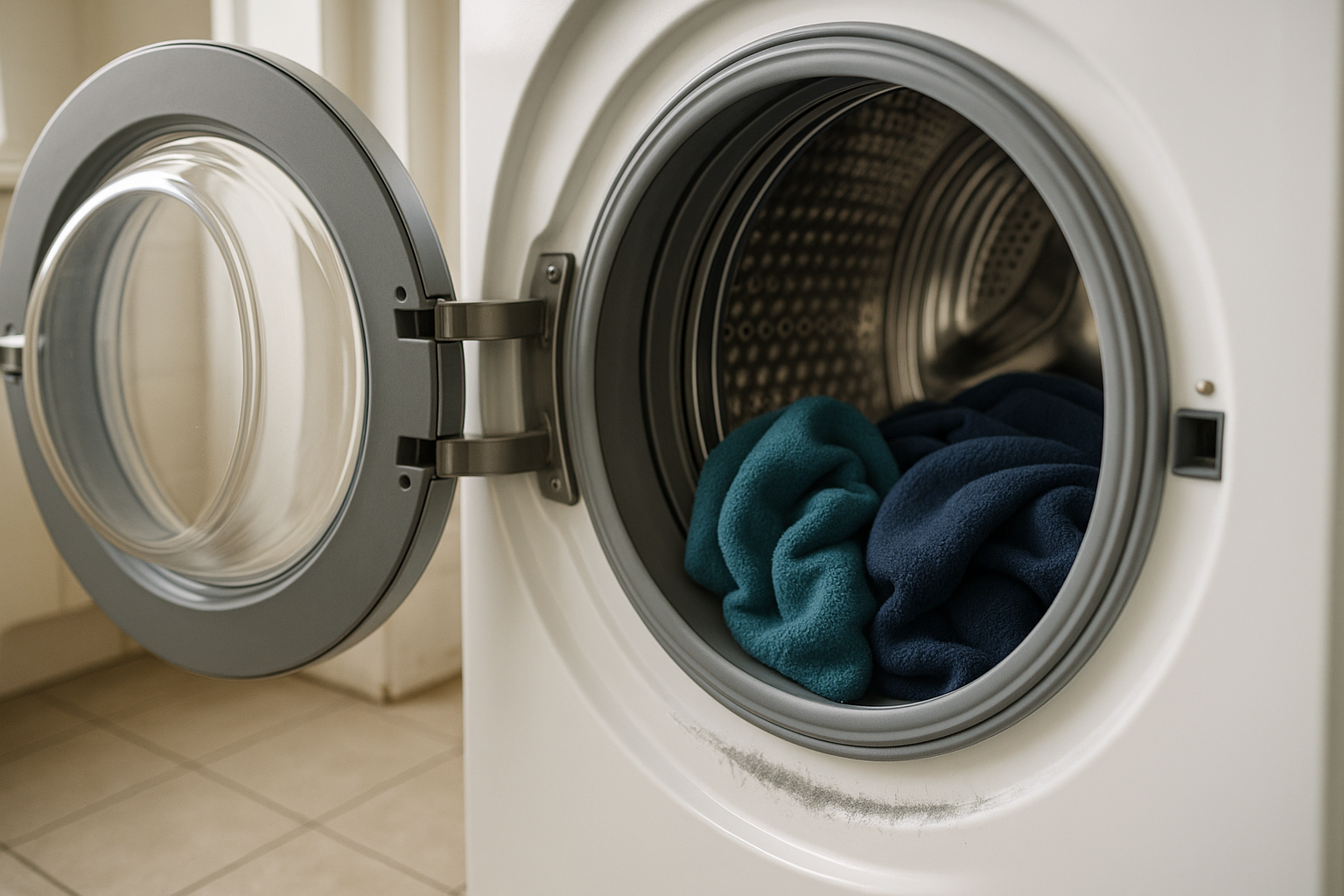
Clothing made from polyester, nylon, acrylic, and other synthetic materials sheds microscopic fibres every time it is washed. WHO has noted that wear and tear of clothing and textiles is considered a significant contributor to microplastic pollution in freshwater environments, as well as in air and other sources. These fibres pass through washing machine wastewater, and many are too fine to be captured by standard wastewater treatment, eventually reaching rivers and reservoirs.
Industrial and agricultural sources
Manufacturing processes that use plastic pellets, resins, or coatings can release primary microplastics directly into waterways through industrial discharge. Agricultural plastic mulch films, plastic-coated fertilisers, and irrigation infrastructure also contribute fragments to soil and groundwater over time. Runoff from farmland carries these particles into nearby waterways, particularly after heavy rain.
Plastic pipes and infrastructure
Ageing plastic water pipes and fittings can shed small particles into the water flowing through them. This is a less studied pathway, but it is relevant to understanding why microplastics can appear even in treated tap water that has passed through a treatment plant. The condition and age of distribution infrastructure varies considerably across different regions and water authorities.
Atmospheric deposition
Microplastics are also carried through the air. Wind picks up lightweight plastic fibres and fragments from land surfaces, roads, and industrial sites. These particles settle on open water bodies, including reservoirs and catchment areas, adding another route by which microplastics enter source water before treatment even begins.
What happens once microplastics enter the water supply
Once microplastics are present in source water, conventional water treatment processes can reduce their concentration, but the degree of reduction depends on the treatment methods used and the size of the particles involved. Very fine particles, sometimes called nanoplastics, are particularly difficult to capture. WHO has called for more research into microplastics and a crackdown on plastic pollution, reflecting that the science is still catching up with the scale of the issue.
Treated tap water, bottled water, and water from natural sources have all been found to contain microplastics in various studies. The concentrations detected vary widely depending on the source, the treatment process, and the detection methods used by researchers.
What the research says about health implications
The health implications of microplastics in drinking water are an active area of scientific inquiry. WHO has stated that, based on the highest concentrations found in the environment, researchers assumed these chemicals were fully bioavailable in the gut, and that some studies on bioavailability exist. However, WHO has also indicated that the evidence base is not yet sufficient to recommend routine monitoring for microplastics by regulators, and that more research is needed before firm conclusions can be drawn.
This article does not make health claims or provide medical advice. Any guidance on health implications should be sought from relevant health authorities.
Reducing microplastics at the point of use
For households wanting to address microplastics in their drinking water, point-of-use filtration is one practical option. The Evolved H2O HydroX Electric Water Filter reduces microplastics by 99.22%. The Evolved H2O 3.5L Glass Water Filter Jug reduces microplastics by 99.6%. The Evolved H2O Advanced Tap Filter targets PFAS, heavy metals, microplastics and chlorine. The Evolved H2O Advanced Shower Filter removes microplastics. The Evolved H2O Advanced Bath Filter removes microplastics.
Key takeaways
- Microplastics enter water through plastic waste breakdown, synthetic textile fibres, industrial runoff, ageing infrastructure, and atmospheric deposition.
- Synthetic clothing fibres shed during washing are a significant contributor to freshwater microplastic pollution, as noted by WHO.
- Microplastics have been detected in treated tap water, bottled water, and natural water sources worldwide.
- Research into microplastics in drinking water is still developing; WHO called for more research and action on plastic pollution in 2019.
- Point-of-use filtration is one practical household option for addressing microplastics in drinking water.
Frequently Asked Questions
Are microplastics found in Australian tap water?
Microplastics have been detected in tap water in various countries, and Australian water sources are not exempt from the environmental pathways that introduce them. Research into Australian tap water specifically is still developing. Water treatment processes can reduce concentrations, but the degree of reduction varies by treatment method and particle size.
Does boiling water remove microplastics?
Boiling water does not address microplastics. Boiling is effective for certain biological concerns, but microplastics are physical particles that remain in water after heating. Point-of-use filtration is a different approach designed to physically capture particles from water.
Where do microplastics in tap water come from?
Microplastics in tap water can originate from source water contamination, including rivers and reservoirs that receive runoff carrying plastic fragments and fibres. They can also enter during distribution through ageing plastic pipes. Treatment plants reduce concentrations but may not capture the finest particles.
Are synthetic clothing fibres really a significant source?
WHO has identified wear and tear of clothing and textiles as a significant contributor to microplastic pollution in freshwater environments. Fibres shed during machine washing pass through wastewater systems, and many are too fine for standard treatment to capture reliably.
Is there a safe level of microplastics in drinking water?
WHO has indicated that the evidence base is not yet sufficient to set a specific guideline value for microplastics in drinking water, and has called for more research. This article does not provide medical advice; consult your relevant health authority for guidance on drinking water safety.
Sources
