

How much microplastics in a bottle of water?
Quick answer: Studies have found hundreds of microplastic particles per litre in bottled water, though exact counts vary widely depending on the brand, bottle type, and detection method used. Research into microplastics in drinking water only began in earnest in 2018, and the WHO has called for more research and a crackdown on plastic pollution while monitoring continues.
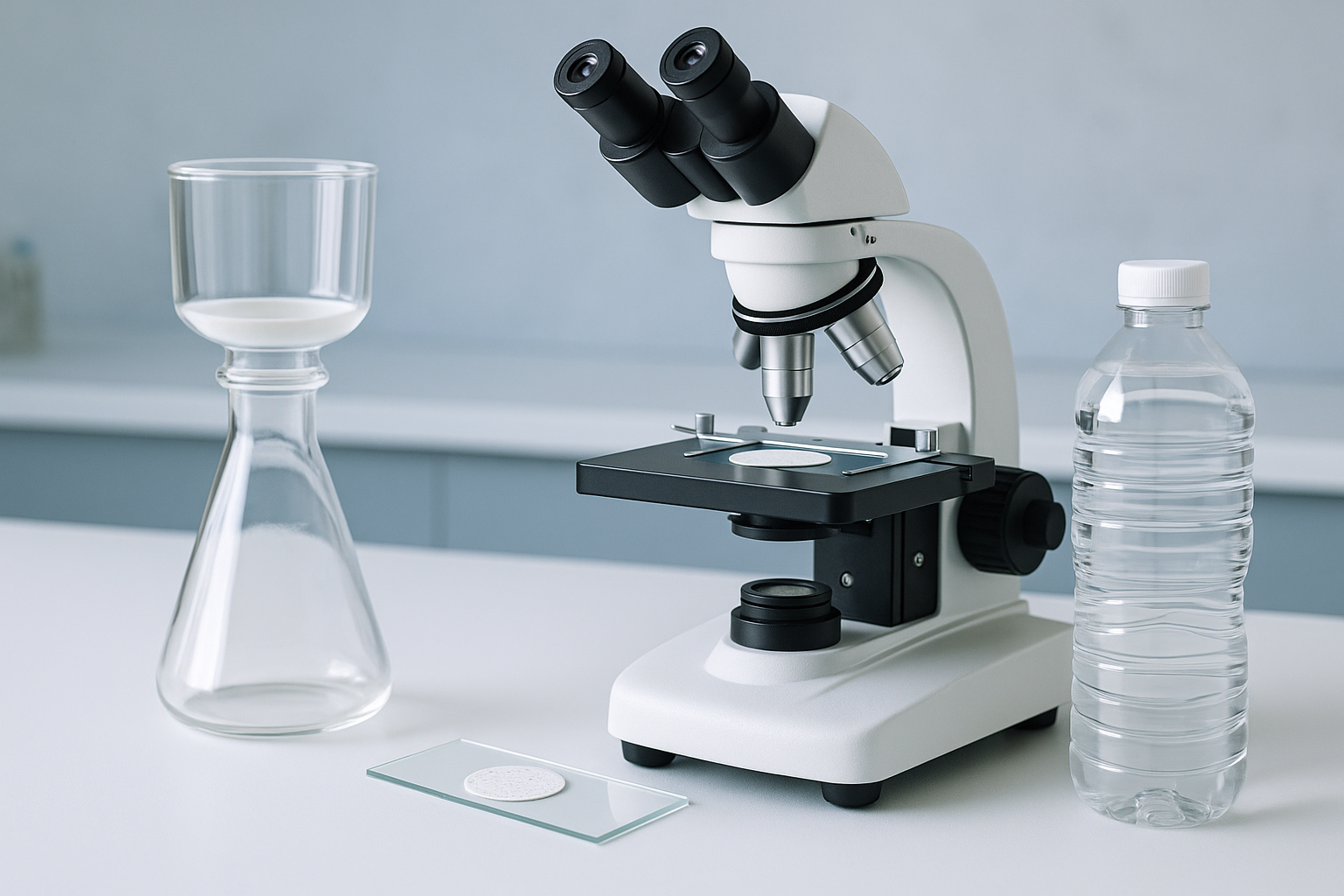
What the research actually tells us about microplastics in bottled water
The short answer is: quite a lot, but the science is still catching up. Microplastics are tiny plastic fragments, fibres, and particles smaller than 5 millimetres. They enter water sources through a range of pathways, from the breakdown of plastic packaging to wear and tear on synthetic textiles.
According to WHO, drinking water studies on microplastics only started in 2018, and researchers assessed just nine different studies at the time of their 2019 review. That is a very small evidence base for a question that affects billions of people. The field is moving quickly, but the data is still limited.
What those early studies did find was that microplastics are present in both bottled and tap water. Bottled water, in particular, tends to show higher particle counts than tap water in many comparisons, likely because the plastic bottle itself contributes particles during storage and handling. Counts in some studies ranged from tens to several hundred particles per litre, though methodology differences make direct comparisons difficult.
Where do microplastics in water come from?
Microplastics reach drinking water from multiple directions, and no single source dominates. The WHO notes that wear and tear of clothing and textiles is considered a significant contributor to microplastic pollution in freshwater environments, as well as in air and other sources. Washing machines, in particular, release synthetic fibres into wastewater with every cycle.
Other contributors include:
- Breakdown of plastic packaging and bottles
- Stormwater runoff carrying plastic debris into waterways
- Industrial discharge and agricultural plastic use
- Atmospheric deposition, where airborne plastic particles settle into open water sources
Once microplastics enter a water source, they are difficult to remove through standard municipal treatment processes, which is why they can appear in both tap and bottled water.
What does the WHO say about the health risk?
The honest answer is that the science is not yet settled. The WHO has stated that even when researchers assumed the highest concentrations of microplastics found in the environment and assumed those chemicals were fully bioavailable in the gut, the risk picture remained uncertain. The WHO has also noted that regulators around the world should not yet be required to monitor for microplastics routinely, while emphasising that more research is urgently needed.
In August 2019, the WHO called for more research into microplastics and a crackdown on plastic pollution. That call has driven a significant increase in research activity since, but definitive guidance on safe exposure levels has not yet been established.
This article does not provide medical advice. If you have specific health concerns, speak with a qualified health professional.
Is bottled water worse than tap water for microplastics?
Based on available studies, bottled water often contains more microplastic particles per litre than treated tap water, not less. The plastic bottle itself is a likely source of contamination, with particles shedding into the water during manufacturing, filling, transport, and storage. Tap water is not free of microplastics either, but the additional contribution from plastic packaging means bottled water is not a straightforward solution to microplastic exposure.
Switching away from single-use plastic bottles is one practical step many Australian households are already taking, both to reduce their own exposure and to reduce the volume of plastic entering the environment in the first place.
How Evolved H2O products address microplastics
If reducing microplastics in your drinking water is a priority, Evolved H2O has several products with approved claims for microplastics reduction.
- The Evolved H2O Advanced Tap Filter targets PFAS, heavy metals, microplastics and chlorine.
- The Evolved H2O HydroX Electric Water Filter reduces microplastics with a 99.22% reduction.
- The Evolved H2O Glass Water Filter Jug reduces microplastics with a 99.6% reduction, and is built from glass and BPA-free materials for a plastic-free everyday drinking water option.
For shower and bath water, the Evolved H2O Advanced Shower Filter removes microplastics, and the Evolved H2O Advanced Bath Filter removes microplastics.
Which Evolved H2O Filter Is Right for You?
Different areas of the home need different types of filtration. Use this quick guide to match the right Evolved H2O option to the water problem you are trying to solve.
-

For tap drinking water
Advanced Tap Filter
Choose this if you want a compact tap filter for everyday drinking and cooking water, without changing your full plumbing setup.
View the Advanced Tap Filter -

For shower water
Advanced Shower Filter
Choose this if your main concern is chlorine taste and odour in warm shower water, or you want a simple inline filter between your shower arm and showerhead.
View the Advanced Shower Filter -

For bath water
Advanced Bath Filter
Choose this if your focus is bath water for babies, kids, or sensitive skin routines, and you want a simple option designed for bath use.
View the Advanced Bath Filter -

For fluoride-focused filtration
HydroX Electric Water Filter
Choose this if fluoride reduction is a priority. HydroX is the Evolved H2O option designed for more advanced countertop drinking-water filtration.
View the HydroX Electric Water Filter -

For everyday filtered water
Glass Water Filter Jug
Choose this if you want a glass water filter jug for everyday drinking water, with a plastic-free jug design and simple refill cartridge setup.
View the Glass Water Filter Jug
Frequently Asked Questions
How many microplastic particles are in a bottle of water?
Studies have found anywhere from tens to several hundred microplastic particles per litre in bottled water, depending on the brand, bottle type, and detection method. Because research methods vary widely, direct comparisons between studies are difficult. The WHO notes that drinking water microplastics research only began in 2018, so the evidence base is still growing.
Is tap water safer than bottled water for microplastics?
Many studies suggest tap water contains fewer microplastic particles per litre than bottled water, partly because the plastic bottle itself contributes particles. That said, tap water is not free of microplastics. The best approach depends on your local water supply and how your water is stored and delivered at home.
Does boiling water remove microplastics?
Boiling water does not reliably address microplastics. Boiling is effective for some biological concerns, but microplastic particles are physical fragments that remain in the water after heating. Filtration is the more relevant approach for microplastics in drinking water.
What does the WHO recommend about microplastics in drinking water?
The WHO has called for more research into microplastics and a crackdown on plastic pollution. As of their 2019 review, they did not recommend routine monitoring for microplastics, noting that the evidence base was limited and that further research was urgently needed before firm guidance could be issued.
Which Evolved H2O products reduce microplastics in drinking water?
The Evolved H2O HydroX Electric Water Filter reduces microplastics with a 99.22% reduction. The Evolved H2O Glass Water Filter Jug reduces microplastics with a 99.6% reduction. The Evolved H2O Advanced Tap Filter targets microplastics alongside PFAS, heavy metals, and chlorine. For shower and bath water, the Advanced Shower Filter and Advanced Bath Filter both remove microplastics.
Does switching from bottled water to filtered tap water help reduce microplastic exposure?
Switching away from single-use plastic bottles removes one likely source of microplastic particles, since the bottle itself can shed particles into the water. Using a home water filter for your drinking water is a practical step many Australian households are taking. The Evolved H2O Advanced Tap Filter targets microplastics, and the Glass Water Filter Jug offers a plastic-free glass alternative for everyday filtered drinking water.
Key takeaways
- Bottled water can contain hundreds of microplastic particles per litre, often more than treated tap water.
- Microplastics enter water from many sources, including plastic packaging, synthetic textiles, and stormwater runoff.
- The WHO called for more research and a crackdown on plastic pollution in 2019; definitive safe-exposure guidance has not yet been established.
- Switching from single-use plastic bottles reduces one source of microplastic exposure.
- Evolved H2O offers multiple products with approved microplastics claims for drinking water, shower water, and bath water.
Sources
