

Shower Filter for Chlorine Smell: What It Can and Cannot Do
Quick answer: A shower filter is designed to reduce chlorine and associated odour in your shower water by passing water through a filter media such as KDF or activated carbon. It can make a noticeable difference to chlorine smell depending on your local water conditions, but it is not designed to remove all water constituents and is not a substitute for whole-home or drinking-water filtration. Always check the product specifications before purchasing.
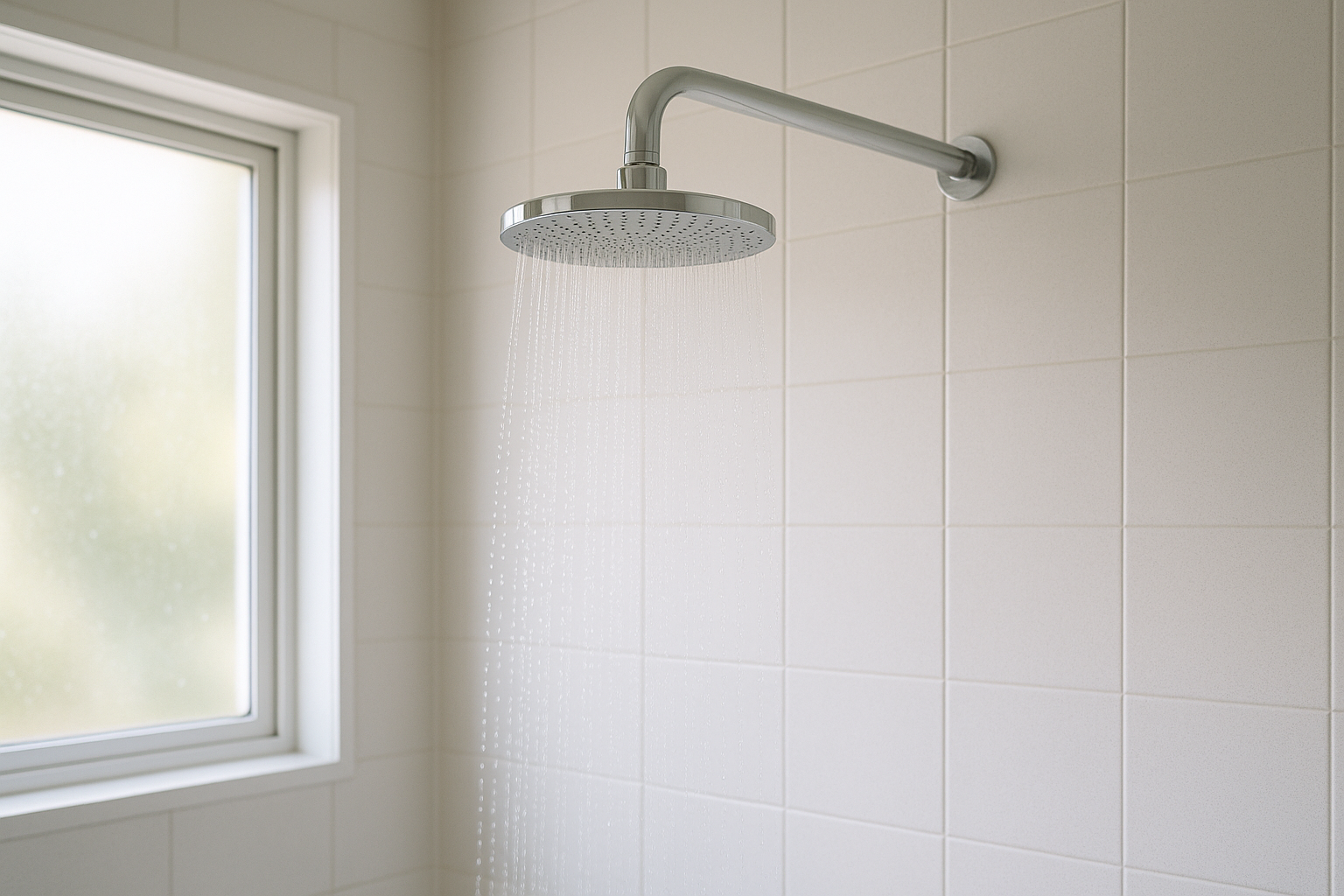
Why Does Your Shower Smell Like Chlorine?
Chlorine smell in the shower is a common experience in Australian households. Water utilities across Australia add chlorine or chloramine to drinking water as a disinfectant to reduce microbial risk during distribution. This is a standard, regulated practice under the Australian Drinking Water Guidelines published by the National Health and Medical Research Council (NHMRC).
The smell tends to be more noticeable in the shower than at the tap for a straightforward reason: hot water and steam volatilise chlorine compounds more readily than cold water, concentrating the odour in an enclosed bathroom space. This article explains how shower filters work, what they are designed to do, and what they cannot do, so you can make a confident decision for your home.
How Shower Filters Are Designed to Reduce Chlorine Odour
Shower filters work by passing water through one or more filter media housed in a compact inline unit that sits between your shower arm and showerhead. The two most common media types used in shower filters are KDF (Kinetic Degradation Fluxion) and activated carbon, and each works differently.
KDF Media
KDF is a copper-zinc alloy granule media. It works through a redox (oxidation-reduction) reaction that converts free chlorine into a less volatile form, which may help reduce the chlorine odour you notice in warm shower water. KDF is well suited to hot water applications because it remains effective at higher temperatures where some carbon media can be less efficient.
Activated Carbon
Activated carbon works through adsorption: chlorine and chloramine molecules adhere to the large internal surface area of the carbon granules as water passes through. Carbon is widely used in water filtration and is referenced in standards such as NSF/ANSI 42 (aesthetic effects, including taste and odour) as a general context for this type of filtration. Note that referencing a standard here is general context only and is not a certification claim about any specific product.
What Affects Performance
How well a shower filter performs in your home depends on several factors: your local water authority's chlorine or chloramine dosing levels, your water temperature, your flow rate, and the age and condition of the filter cartridge. Chloramine (a chlorine-ammonia compound used by some Australian utilities) can be harder to reduce than free chlorine, and not all shower filter media are equally effective against both. Always check the product specifications and your local water authority's water quality report to understand what is in your supply.
What a Shower Filter Can and Cannot Do
Understanding the limits of a shower filter is just as important as understanding what it is designed to do. Here is a plain comparison.
| What a shower filter is designed to do | What a shower filter is NOT designed to do |
|---|---|
| Reduce free chlorine and associated odour in shower water | Filter your drinking or cooking water |
| Reduce chloramine odour (depending on media type and product spec) | Remove sediment, heavy metals, or fluoride (unless the product specification states otherwise) |
| Improve the overall smell of your shower experience | Treat, cure, or prevent any health condition |
| Fit inline between your existing shower arm and showerhead | Replace whole-home or point-of-use drinking water filtration |
| Operate without electricity or plumbing changes | Last indefinitely without cartridge replacement |
A shower filter is not a medical device and is not intended to diagnose, treat, cure, or prevent any disease or health condition. If you have concerns about your drinking water quality, a tap filter, under-sink filter, or countertop electric filter is the appropriate solution for that purpose.
Shower Filter vs Other Filtration Options: Which Is Right for Your Situation?
If chlorine smell is your main concern, it helps to know where the problem is occurring and which type of filter addresses it. The table below compares the main options available to Australian households.
| Filter type | Best for | Covers shower water? | Covers drinking water? | Installation |
|---|---|---|---|---|
| Shower filter | Chlorine odour in shower water | Yes | No | Inline, no plumbing changes |
| Tap filter | Chlorine taste and odour in drinking and cooking water | No | Yes | Attaches to kitchen tap |
| Glass filter jug | Everyday filtered drinking water, plastic-free option | No | Yes | No installation, countertop or fridge |
| Electric countertop filter | More advanced drinking water filtration at the bench | No | Yes | Countertop, no plumbing changes |
| Bath filter | Chlorine odour in bath water | No (bath only) | No | Attaches to bath tap |
If you notice chlorine smell in both your shower and your drinking water, you may want to consider a shower filter for the bathroom and a separate tap filter or glass filter jug for the kitchen. These are separate problems that benefit from separate solutions.
How to Choose a Shower Filter: A Buying Checklist
Use this checklist to narrow down your options before purchasing. No single filter suits every household, so consider your specific water conditions and setup.
- Check your local water report: Contact your state or territory water authority or visit their website to find out whether your supply uses free chlorine or chloramine. Some filter media are more effective against one than the other.
- Confirm compatibility: Most shower filters use a standard 1/2-inch BSP thread, but check your existing shower arm fitting before purchasing.
- Consider flow rate: Some filter housings can reduce water pressure. Check the product specifications for the rated flow rate and compare it to your current shower pressure.
- Check cartridge life and replacement cost: Cartridge life varies by product and by your local water conditions. A filter with a short cartridge life or expensive replacements adds ongoing cost.
- Look at the filter media: KDF, activated carbon, or a combination? Check the product specifications to understand what the filter is designed to reduce and whether that matches your water quality concern.
- Avoid unverified claims: Be cautious of products making absolute claims such as removes all contaminants or 100% chlorine removal. Reputable products describe reductions, not total elimination, and qualify performance by water conditions.
- Standards context: Some shower filters reference NSF/ANSI 177 (shower filtration) as a general performance standard. Use this as context when comparing products, but verify whether a specific product holds certification rather than assuming it.
Our Recommendation: Evolved H2O Advanced Shower Filter
For Australian households looking to reduce chlorine odour in shower water, the Evolved H2O Advanced Shower Filter is designed to reduce chlorine and associated odour in shower water. It fits inline between your existing shower arm and showerhead with no plumbing changes required. Check the product specifications to confirm compatibility with your setup and your local water conditions.
If you also want to address chlorine taste and odour in your drinking and cooking water, the Evolved H2O Advanced Tap Filter is designed to reduce chlorine, sediment, and associated taste and odour at the kitchen tap, depending on your water conditions.
Not sure which filter suits your situation? Use the guide below to match the right option to your home.
- Chlorine smell in the shower: Evolved H2O Advanced Shower Filter
- Chlorine taste in drinking water: Evolved H2O Advanced Tap Filter
- Chlorine odour in bath water: Evolved H2O Advanced Bath Filter
- Everyday filtered drinking water, glass jug option: Evolved H2O Glass Water Filter Jug
Which Evolved H2O Filter Is Right for You?
Different areas of the home need different types of filtration. Use this quick guide to match the right Evolved H2O option to the water problem you are trying to solve.
-

For shower water
Advanced Shower Filter
Choose this if your main concern is chlorine taste and odour in warm shower water, or you want a simple inline filter between your shower arm and showerhead.
View the Advanced Shower Filter -

For tap drinking water
Advanced Tap Filter
Choose this if you want a compact tap filter for everyday drinking and cooking water, without changing your full plumbing setup.
View the Advanced Tap Filter -

For bath water
Advanced Bath Filter
Choose this if your focus is bath water for babies, kids, or sensitive skin routines, and you want a simple option designed for bath use.
View the Advanced Bath Filter -

For fluoride-focused filtration
HydroX Electric Water Filter
Choose this if fluoride reduction is a priority. HydroX is the Evolved H2O option designed for more advanced countertop drinking-water filtration.
View the HydroX Electric Water Filter -

For everyday filtered water
Glass Water Filter Jug
Choose this if you want a glass water filter jug for everyday drinking water, with a plastic-free jug design and simple refill cartridge setup.
View the Glass Water Filter Jug
Frequently Asked Questions
Does a shower filter actually reduce chlorine smell?
A shower filter using KDF or activated carbon media is designed to reduce free chlorine and associated odour in shower water. How noticeable the difference is depends on your local water authority's chlorine dosing levels, your water temperature, and the filter media used. Results vary by water conditions, so check the product specifications and your local water quality report.
Why does chlorine smell stronger in a hot shower than at the cold tap?
Hot water and steam cause chlorine compounds to volatilise more readily than cold water does. In an enclosed bathroom, this concentrates the odour. Australian water utilities add chlorine or chloramine as a disinfectant during distribution, which is a standard regulated practice under the NHMRC Australian Drinking Water Guidelines. The shower environment simply makes the odour more apparent.
Will a shower filter improve my drinking water?
No. A shower filter is designed for shower water only and is not intended to filter drinking or cooking water. If you want to reduce chlorine taste and odour in your drinking water, a tap filter, glass filter jug, or countertop electric filter is the appropriate solution. These are separate products designed for different points of use.
How often does a shower filter cartridge need replacing?
Cartridge replacement intervals vary by product and depend on your local water conditions, including chlorine levels and water hardness. Check the product specifications for the manufacturer's recommended replacement schedule. Using a cartridge beyond its rated life may reduce its effectiveness at reducing chlorine odour.
Can a shower filter remove chloramine as well as chlorine?
Some shower filter media, particularly catalytic carbon, are designed to reduce chloramine as well as free chlorine. Standard KDF and basic activated carbon may be less effective against chloramine. Check your local water authority's report to find out which disinfectant your supply uses, then verify the product specifications to confirm the filter media is suited to your water type.
Is a shower filter a medical device or health treatment?
No. A shower filter is not a medical device and is not intended to diagnose, treat, cure, or prevent any disease or health condition. It is a water filtration accessory designed to reduce chlorine and associated odour in shower water, depending on your water conditions. If you have health concerns related to your water supply, consult a qualified health professional and your local water authority.
Key Takeaways
- Australian water utilities add chlorine or chloramine as a disinfectant; this is normal and regulated under the NHMRC Australian Drinking Water Guidelines.
- A shower filter is designed to reduce chlorine and associated odour in shower water using KDF or activated carbon media, depending on your water conditions.
- Hot water and steam make chlorine odour more noticeable in the shower than at the cold tap.
- A shower filter does not filter drinking water; a tap filter, glass filter jug, or countertop electric filter is needed for that purpose.
- Check your local water quality report, confirm media type, and review product specifications before purchasing.
- No shower filter removes all water constituents or guarantees a specific outcome; performance depends on local water conditions and cartridge maintenance.
Shop the Advanced Shower Filter
Sources and Further Reading
- Australian Drinking Water Guidelines - NHMRC
- Guidelines for Drinking-water Quality, 4th Edition - World Health Organization
- Basic Information about Disinfection Byproducts in Drinking Water - US EPA
- Water Quality - Sydney Water
