

Why Does Tap Water Taste Like Chlorine and How Can You Reduce It?
Quick answer: Australian tap water is treated with chlorine or chloramine as a disinfectant, which is why it can taste or smell like a swimming pool. The taste is most noticeable when water is warm, freshly drawn, or your local supply uses higher treatment doses. A quality water filter jug designed to reduce chlorine and associated taste and odour is one of the simplest ways to improve the flavour of your everyday drinking water at home.
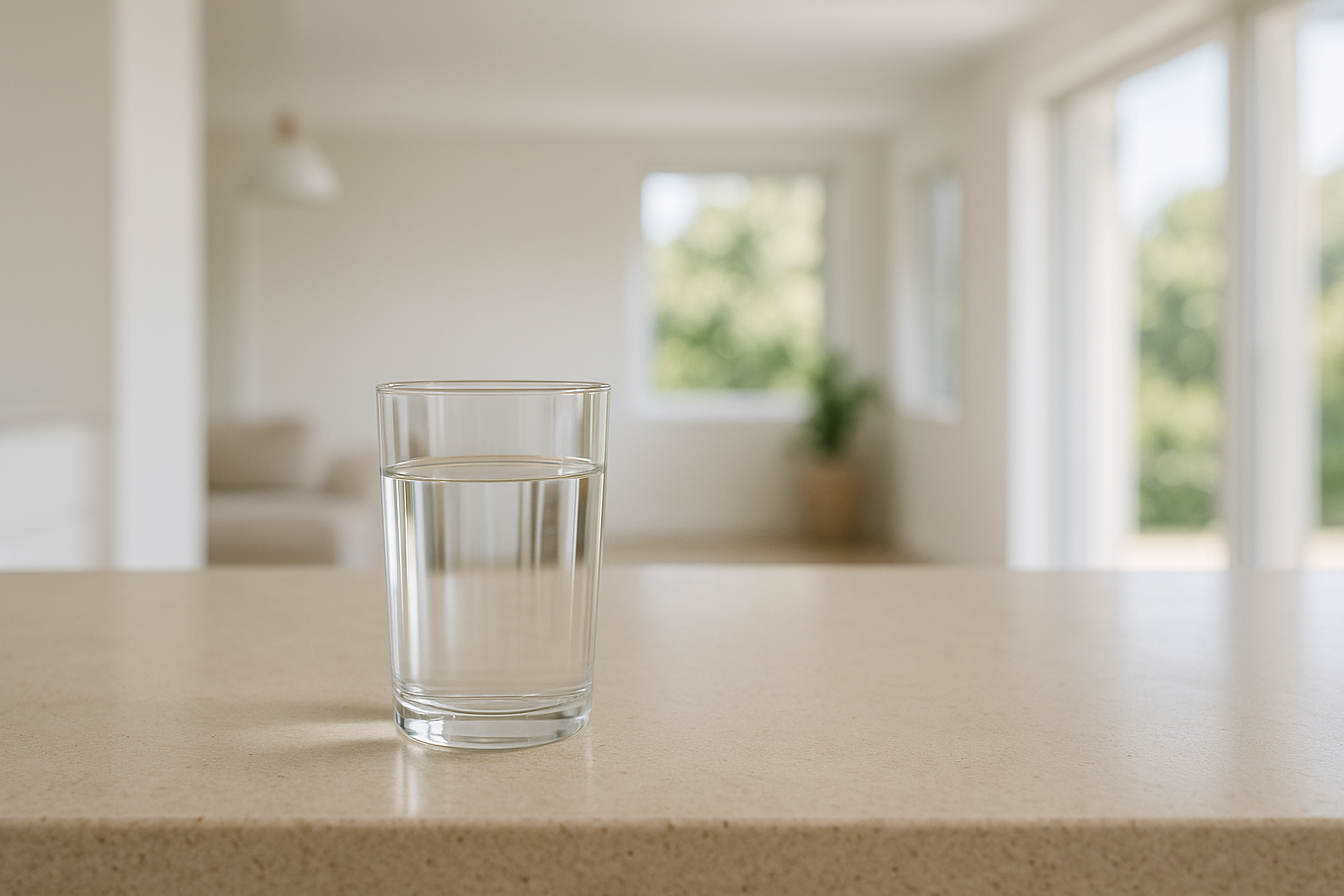
Why Your Tap Water Tastes Like Chlorine
Chlorine taste in tap water is a direct result of the disinfection process used by Australian water utilities. Water authorities add chlorine or chloramine to drinking water supplies to reduce the risk of microbial contamination during treatment and distribution. This is a standard, regulated practice across Australia and is considered essential for public water safety.
The taste and odour you notice are caused by residual disinfectant that remains in the water after treatment. According to the Australian Drinking Water Guidelines published by the National Health and Medical Research Council (NHMRC), a chlorine residual is intentionally maintained throughout the distribution network to protect water quality all the way to your tap. The guideline aesthetic threshold for chlorine taste and odour is 0.6 mg/L, though some people are sensitive to lower concentrations.
Several factors can make the taste more pronounced on any given day:
- Distance from the treatment plant: Water closer to the treatment plant may carry a stronger chlorine residual.
- Water temperature: Warm water releases chlorine compounds more readily, intensifying the smell.
- Seasonal variation: Water authorities may adjust disinfectant doses in response to source water quality changes, particularly after heavy rainfall.
- Pipe age and material: Older pipes can interact with residual chlorine and affect taste.
It is worth noting that the presence of a chlorine taste does not indicate that your water is unsafe. It is a sign that the disinfection system is working as intended. If you are concerned about your local water quality, your state or territory water authority publishes annual water quality reports you can review.
How Chlorine Gets Into Your Glass
Understanding the journey from treatment plant to tap helps explain why the taste varies. Water treatment in Australia typically involves several stages: coagulation, sedimentation, filtration, and then disinfection. Chlorine or chloramine is added at the disinfection stage and again at various points in the distribution network to maintain a residual throughout the pipe system.
Chlorine versus chloramine
Some Australian water utilities use chloramine (a combination of chlorine and ammonia) rather than free chlorine because it is more stable over long distribution distances and produces lower levels of certain disinfection byproducts. Chloramine has a slightly different taste profile to free chlorine and can be more persistent, meaning it may not dissipate as quickly when left to stand. If you are unsure which disinfectant your utility uses, check your local water quality report or contact your water authority directly.
Disinfection byproducts
When chlorine reacts with naturally occurring organic matter in source water, it can form disinfection byproducts (DBPs) such as trihalomethanes (THMs). Australian drinking water guidelines set limits for these compounds. The presence of DBPs at regulated levels is considered acceptable under the guidelines, but some households prefer to reduce their exposure through point-of-use filtration. Check the product specifications of any filter you consider to understand what it is designed to reduce.
Options for Reducing Chlorine Taste at Home
There are several practical approaches to reducing chlorine taste in your drinking water. The right option depends on your household setup, how much water you filter each day, and whether you rent or own your home.
| Option | How it works | Best for | Considerations |
|---|---|---|---|
| Glass filter jug | Water passes through a replaceable filter cartridge; designed to reduce chlorine, sediment, and associated taste and odour | Renters, small households, everyday drinking water | Requires regular cartridge replacement; capacity varies by model |
| Tap filter (inline) | Attaches directly to the tap; filters water at the point of use | Kitchen tap drinking and cooking water | Compatibility with tap fittings; check product specifications |
| Electric countertop filter | Powered filtration unit; may offer multi-stage filtration | Households wanting more advanced countertop filtration | Requires bench space and power; check product specifications |
| Letting water stand | Free chlorine can dissipate over time when left uncovered | Very occasional use; not reliable for chloramine | Does not work well for chloramine; not a consistent solution |
A glass water filter jug is often the most accessible starting point for Australian households. It requires no plumbing changes, suits renters and owners alike, and can be kept in the fridge so filtered water is always cool and ready to drink.
How to Choose the Right Filter for Chlorine Taste
Before purchasing any water filter, consider the following checklist to find the option that suits your household:
- Check your local water report: Your state or territory water authority publishes water quality data. Knowing whether your supply uses chlorine or chloramine helps you choose a filter designed for your conditions.
- Assess your daily volume: A filter jug suits one to four people for drinking water. Larger households may benefit from a tap filter or countertop unit with higher throughput.
- Consider your living situation: Renters benefit from no-installation options like a filter jug. Homeowners have more flexibility with tap-mounted or under-bench options.
- Review cartridge life and replacement: Check how often the filter cartridge needs replacing and factor that into your ongoing routine.
- Look at filter media and what it is designed to reduce: Different filter media target different water constituents. Check the product specifications to confirm the filter is designed to reduce chlorine taste and odour, and any other constituents you are concerned about.
- Consider the jug material: A glass jug avoids plastic contact with your filtered water, which some households prefer for everyday drinking water.
Our Recommendation for Everyday Filtered Drinking Water
If reducing chlorine taste in your everyday drinking water is your main goal, a glass water filter jug is a practical, low-effort solution that suits most Australian households.
- Evolved H2O Glass Water Filter Jug - A premium borosilicate glass, BPA-free jug designed for everyday filtered drinking water at home, with a replaceable filter cartridge designed to reduce chlorine, sediment, and associated taste and odour, depending on your water conditions. Check the product specifications for full details.
If you also want filtration at the tap for cooking and drinking directly from the kitchen sink, the Evolved H2O Advanced Tap Filter is designed to reduce chlorine and associated taste and odour at the point of use. Check the product specifications to confirm compatibility with your tap fittings.
Not a medical device. Not intended to diagnose, treat, cure, or prevent any disease or health condition.
Which Evolved H2O Filter Is Right for You?
Different areas of the home need different types of filtration. Use this quick guide to match the right Evolved H2O option to the water problem you are trying to solve.
-

For everyday filtered water
Glass Water Filter Jug
Choose this if you want a glass water filter jug for everyday drinking water, with a plastic-free jug design and simple refill cartridge setup.
View the Glass Water Filter Jug -

For shower water
Advanced Shower Filter
Choose this if your main concern is chlorine taste and odour in warm shower water, or you want a simple inline filter between your shower arm and showerhead.
View the Advanced Shower Filter -

For tap drinking water
Advanced Tap Filter
Choose this if you want a compact tap filter for everyday drinking and cooking water, without changing your full plumbing setup.
View the Advanced Tap Filter -

For bath water
Advanced Bath Filter
Choose this if your focus is bath water for babies, kids, or sensitive skin routines, and you want a simple option designed for bath use.
View the Advanced Bath Filter -

For fluoride-focused filtration
HydroX Electric Water Filter
Choose this if fluoride reduction is a priority. HydroX is the Evolved H2O option designed for more advanced countertop drinking-water filtration.
View the HydroX Electric Water Filter
Frequently Asked Questions
Is chlorine in tap water safe to drink?
Yes. Australian water authorities add chlorine or chloramine to drinking water at regulated levels to protect against microbial contamination. The Australian Drinking Water Guidelines set limits for disinfectant residuals and disinfection byproducts. A chlorine taste does not mean your water is unsafe. If you have specific concerns, contact your local water authority or review their published water quality report.
Why does my tap water taste more like chlorine some days than others?
Chlorine taste can vary with water temperature, seasonal changes in source water quality, your distance from the treatment plant, and adjustments your water authority makes to disinfectant dosing. Warm water and freshly drawn water tend to have a stronger taste. Filling a jug and refrigerating it can help, though this is not a consistent solution for all disinfectant types.
Will a glass filter jug remove chlorine taste completely?
A glass filter jug with an appropriate filter cartridge is designed to reduce chlorine and associated taste and odour, depending on your water conditions. Results vary based on your local water supply, the filter media used, and how recently the cartridge was replaced. No filter can guarantee complete removal of all taste compounds in all conditions. Always check the product specifications for what the filter is designed to reduce.
Does a filter jug work for chloramine as well as chlorine?
Some filter cartridges are designed to reduce both free chlorine and chloramine, while others are more effective against free chlorine only. Check the product specifications of the cartridge you choose to confirm it is suited to your local water supply. If you are unsure whether your utility uses chlorine or chloramine, your water authority can confirm this.
How often do I need to replace the filter cartridge in a jug?
Cartridge replacement frequency depends on the specific product and your household water usage. Most manufacturers recommend replacing the cartridge every one to three months, or after a set volume of water has been filtered. Check the product specifications and follow the manufacturer's guidance to maintain effective filtration. Using an overdue cartridge may reduce performance.
Is a glass jug better than a plastic filter jug?
A glass jug avoids plastic contact with your filtered water, which some households prefer. Borosilicate glass is durable and does not impart taste or odour to water. The filtration performance depends on the cartridge, not the jug material. If avoiding plastic in your water storage is a priority, a glass jug is a practical choice for everyday use.
Key Takeaways
- Chlorine taste in tap water is a normal result of the disinfection process used by Australian water utilities to protect public water safety.
- The intensity of the taste can vary with temperature, season, and your distance from the treatment plant.
- A glass water filter jug with a replaceable cartridge is designed to reduce chlorine and associated taste and odour, depending on your water conditions.
- Always check the product specifications to confirm what a filter is designed to reduce, and replace cartridges as recommended.
- For filtration at the tap, an inline tap filter is an alternative worth considering alongside a filter jug.
Shop the Glass Water Filter Jug
Sources and Further Reading
- Australian Drinking Water Guidelines - NHMRC
- Guidelines for Drinking-water Quality, 4th Edition - World Health Organization
- Basic Information about Disinfection Byproducts in Drinking Water - US EPA
- Water Quality - WaterNSW
